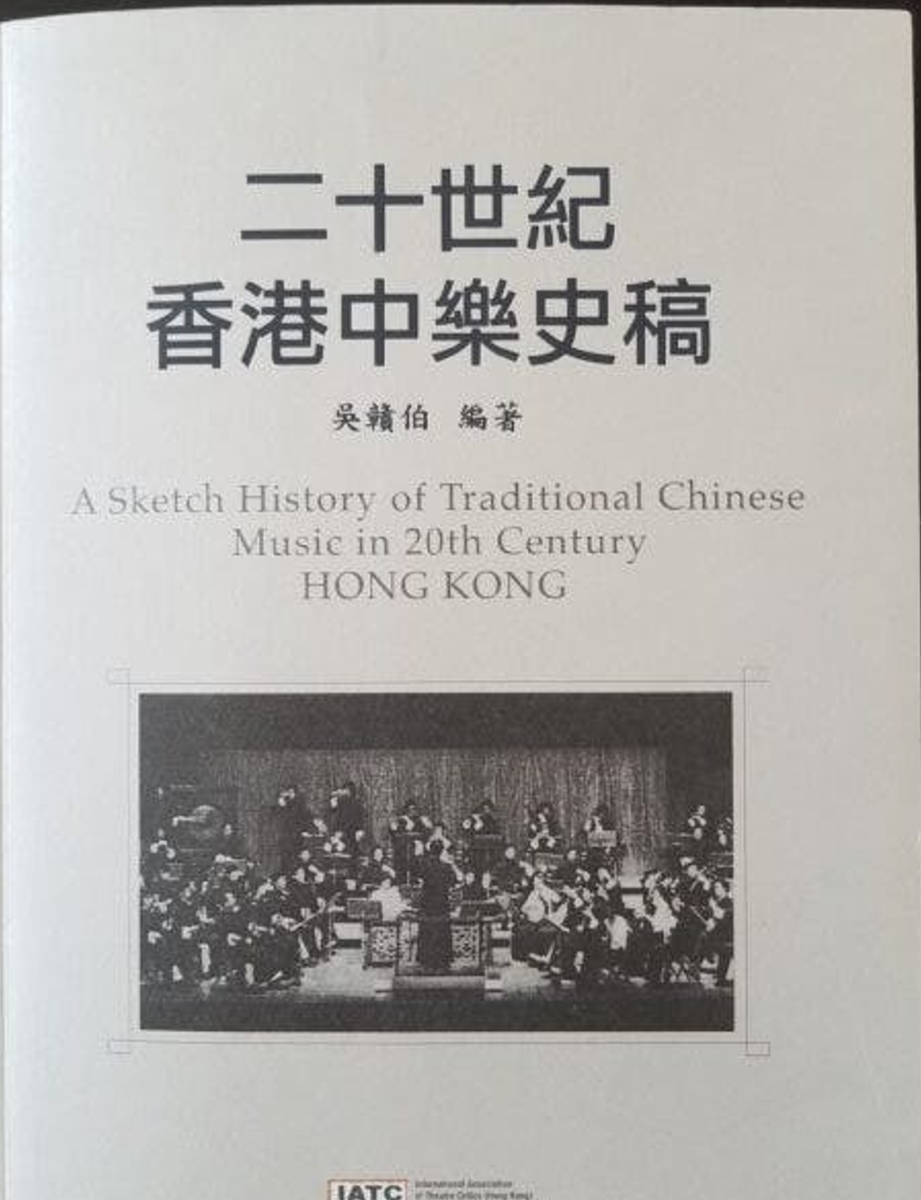
A History of Chinese Music in 20th-Century Hong Kong (3A06, 3C11)
Date: 13/10/2026
江怡辰: Hello everyone! When we talk about Hong Kong music, what comes to your mind first?
黃凱彤: Definitely Cantopop! Artists like Beyond and Jacky Cheung are well-known representatives of Hong Kong music.
江怡辰: That’s right. But Hong Kong’s music culture is more than just pop music.
黃凱彤: Today we'd like to introduce a special book, called: A History of Chinese Music in 20th-Century Hong Kong, written by Wu Ganbo.
江怡辰: What kind of book is it?
黃凱彤: It is an important record of Chinese music history in Hong Kong. Wu Ganbo is an erhu performer and music scholar. He noticed many elderly musicians were passing away, and their stories would be lost forever without recording. So, Wu Ganbo spent years interviewing old musicians, collecting old music scores, concert programmes, photos and newspapers.
江怡辰: This book records the development of Chinese music in Hong Kong over a hundred years. It avoids difficult music theories, focusing on real musicians, true stories and changing times.
黃凱彤: Are there any touching stories inside this book?
江怡辰: Sure! Let's share one story from the book. During the war, many Chinese musicians fled to Hong Kong to escape chaos, and to preserve traditional music. At that time, Hong Kong only had folk music in teahouses. There was no formal Chinese music education or professional music groups. In hard times, these musicians set up music societies and taught students. They brought erhu, guzheng, pipa and other traditional instruments to Hong Kong.
黃凱彤: I see. They kept the flame of Chinese music alive in Hong Kong. And then, Hong Kong gradually became an important place to inherit traditional Chinese music. Without those musicians, we would have lost this part of history. That makes this book so valuable!
黃凱彤: But nowadays, many people think traditional Chinese music sounds old or not as cool as modern pop music.
江怡辰: I used to think so too. But this book tells us old music and modern music share similar spirits. Chinese music in the past helped people express feelings, record times and show passion. Today's pop music also helps us record life, share emotions and comfort ourselves. A great traditional Chinese music example is “General’s Command”. It is a classic ancient instrumental piece. Its powerful and grand melody shows courage, strength and patriotism. It represents the classic spirit of traditional Chinese culture.
黃凱彤: And we can compare it with the famous “Hong Kong pop song Below the Lion Rock”. This soft and warm song expresses the perseverance and unity of Hong Kong people.
江怡辰: Both old Chinese music and modern pop music carry human spirits and cultural feelings, just in different styles.
黃凱彤: Yes! Whether it is ancient traditional Chinese music or modern Cantopop, they are both treasures of Hong Kong. They record the city’s stories and pass down precious spirits from generation to generation.
黃凱彤: Finally, what can we learn from music?
江怡辰: First, learn to appreciate. Never rule out any kind of music, because every style has its merits. Second, learn to calm down. Melodies can help us to relax and soothe our moods. Third, learn inheritance. Understand traditional music and treasure our culture.
黃凱彤: After reading this book, we have learnt about more than just Hong Kong pop songs. We learn the tough but warm history of Chinese music in Hong Kong. There is no such thing as ‘old’ or ‘new’ music. We hope you will try and appreciate different kinds of music. 江怡辰 & 黃凱彤 (together): Thank you for listening!