- Home
- >
- School Events
- >
- History & CES Study Tour to Kyushu
History & CES Study Tour to Kyushu
Date: 27/10/2026
Echoes of History, Visions for Peace: Exploring Kyushu’s Heritage and Spirit in Japan
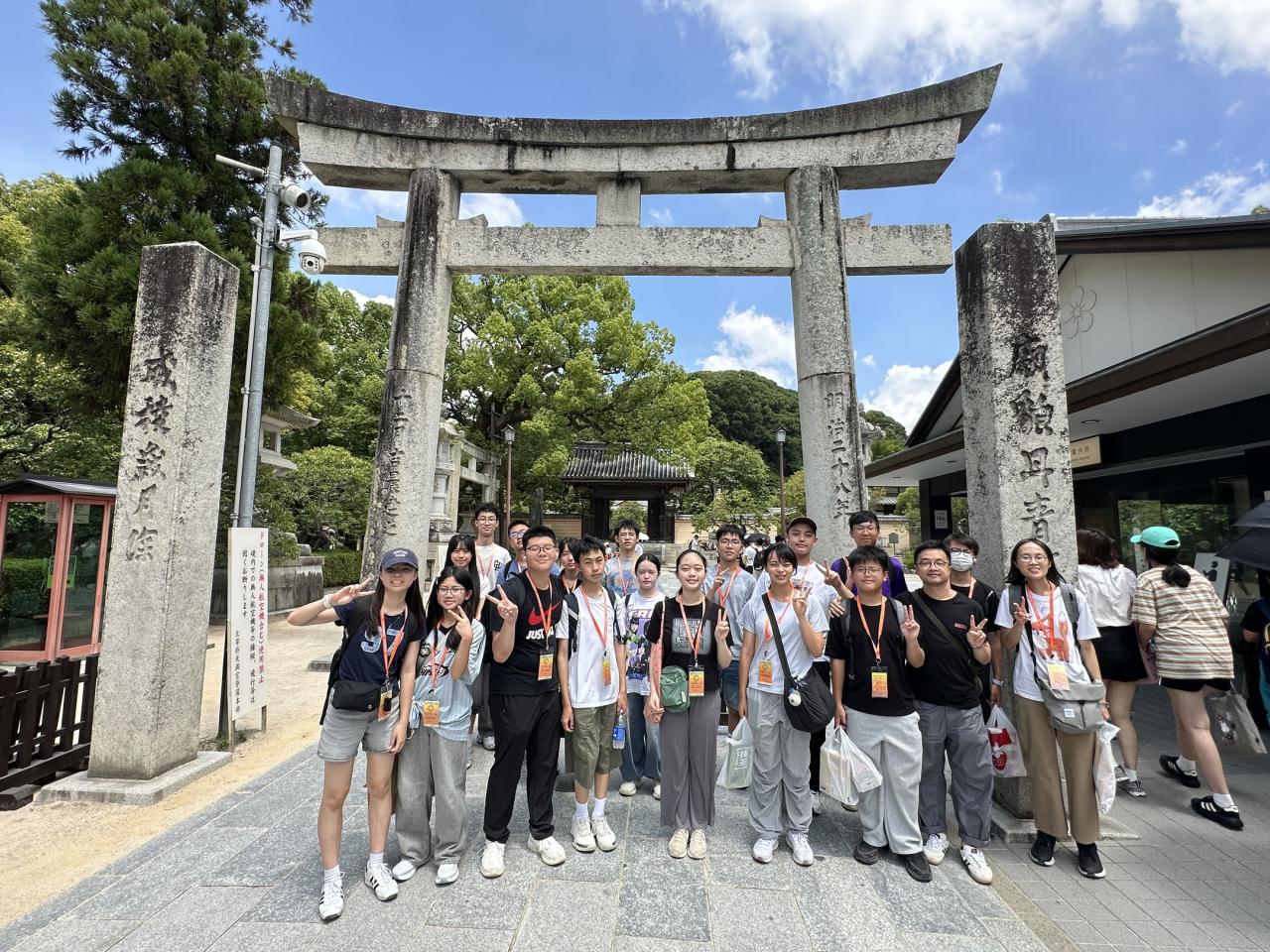
CES and History co-organized a 5-day, 4-night study tour to Kyushu in July 2026 for 17 S1 to S5 students, encompassing the Kyushu National Museum, Dejima, Oura Church, Gunkanjima, the Nagasaki Atomic Bomb Museum, and the Nagasaki Peace Park. It offered a comprehensive look into Japan’s historical role as a crossroad for international trade, cultural exchange, rapid industrialization, and modern peacebuilding.
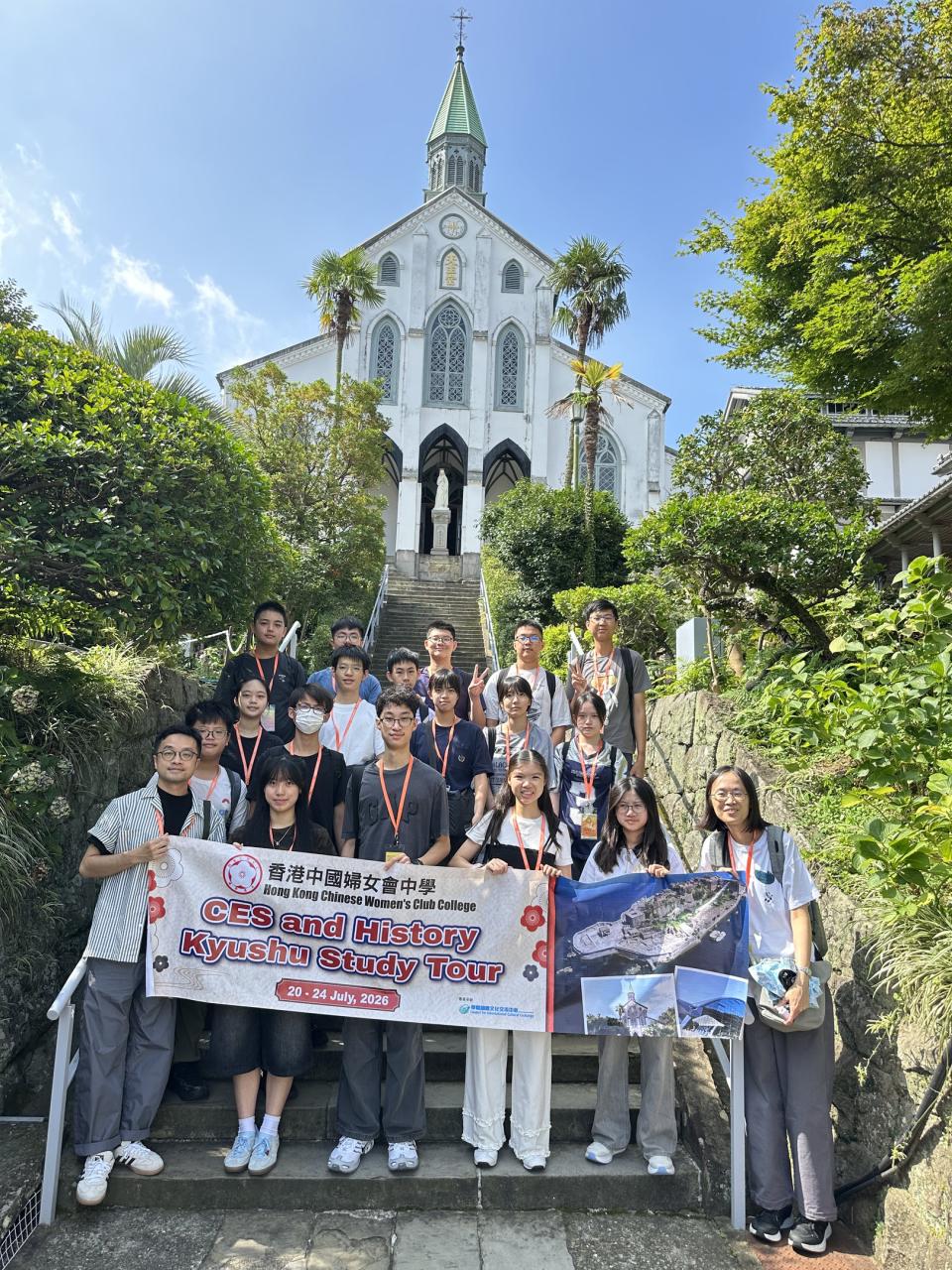
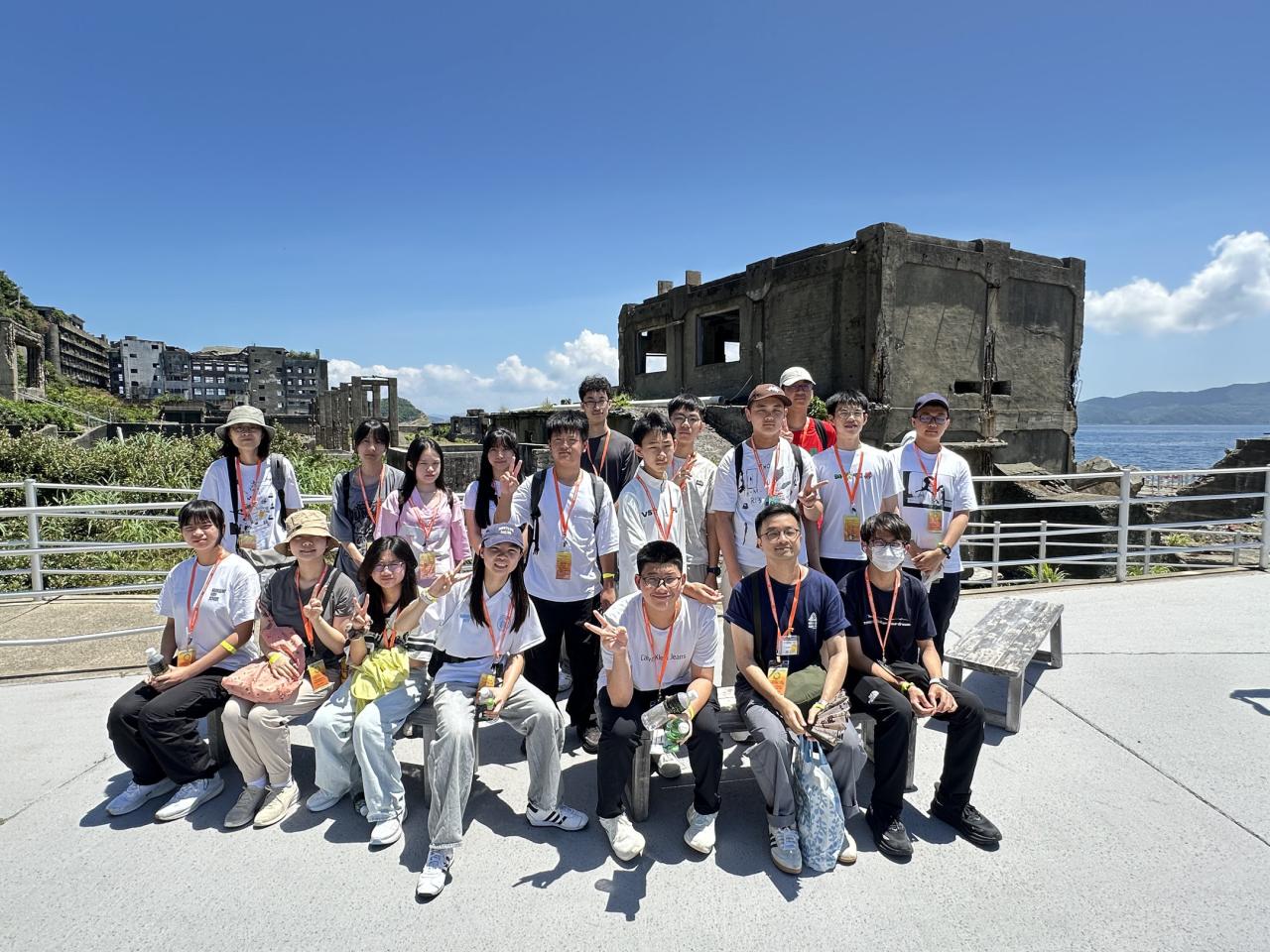
Visiting the Kyushu National Museum framed the region’s long-standing cultural dialogue with other countries, a theme further reflected at Dejima, where Japan maintained vital commercial connections during its period of Sakoku. Nearby, Oura Church illustrated the complex history of Christianity and Western architectural influence in Nagasaki, while the industrial ruins of Gunkanjima highlighted Meiji-era coal mining innovations and the profound transformations brought by the Meiji Restoration.
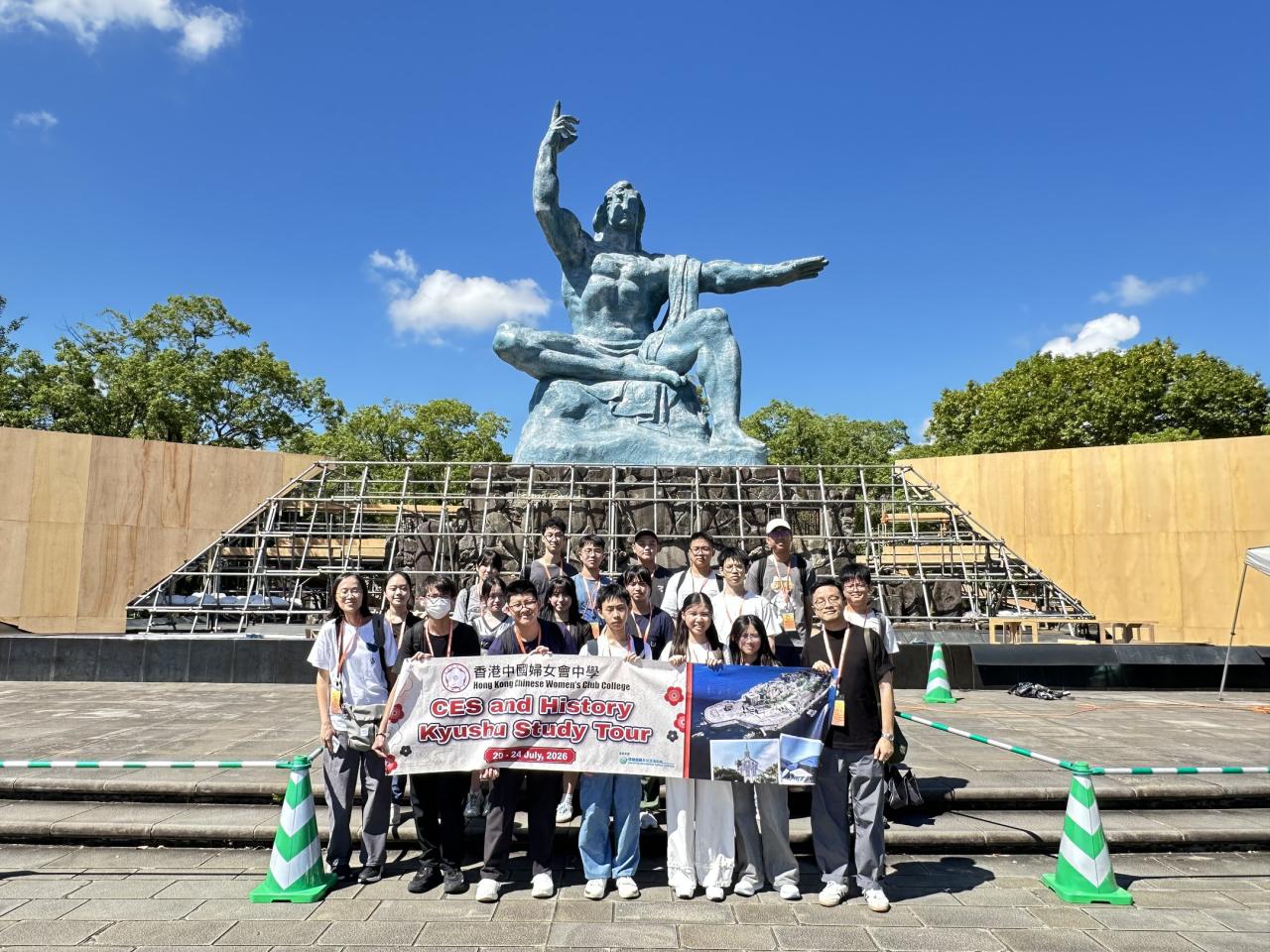
At the Nagasaki Atomic Bomb Museum and Peace Park, witnessing local ruins and original artifacts—such as warped railway signs twisted by the intense thermal heat—gave students a visceral experience of nuclear destruction. Examining these primary sources alongside survivor testimonies and memorial spaces deepened their understanding of crisis recovery, international diplomacy, and active peacebuilding.
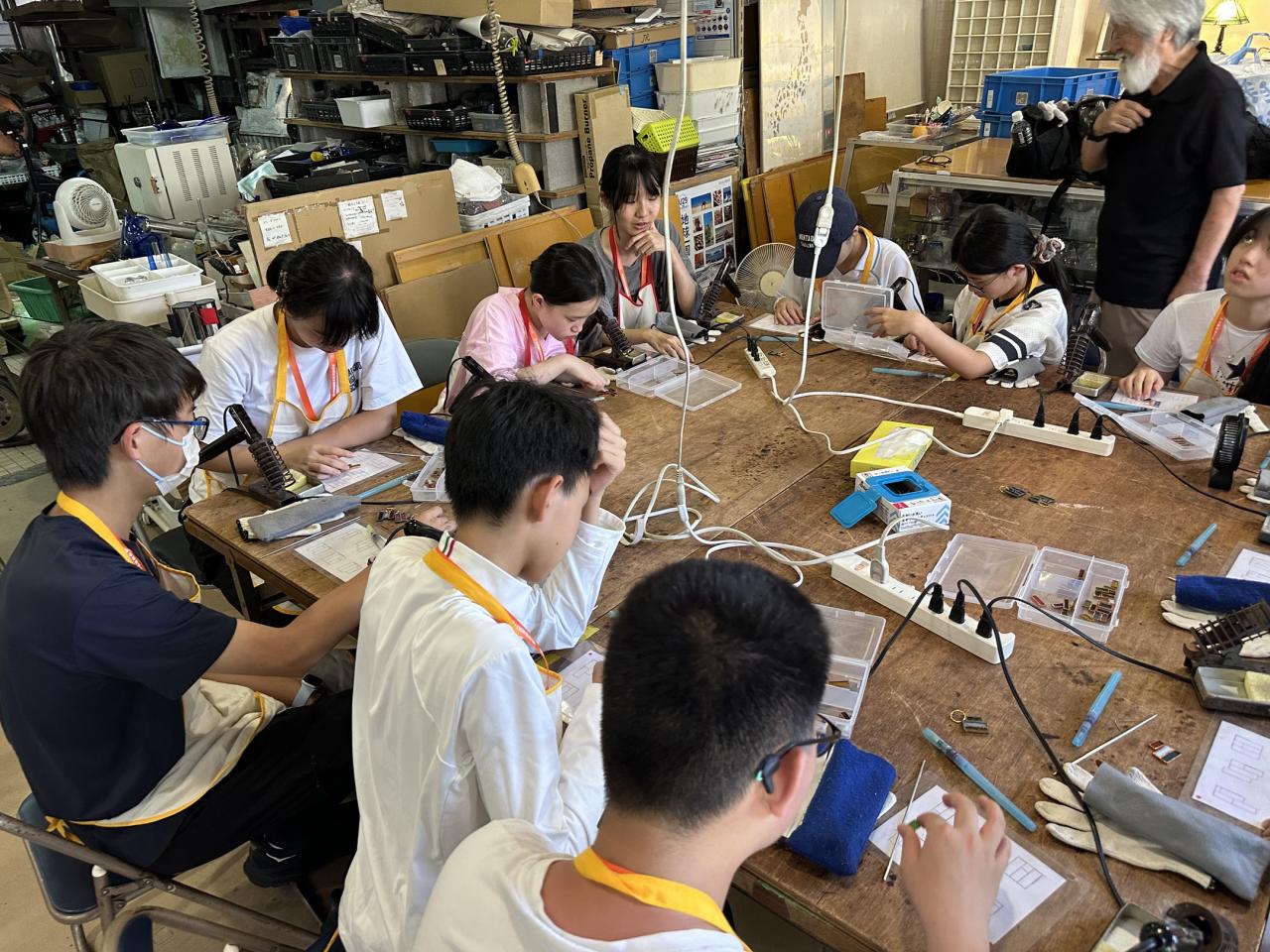
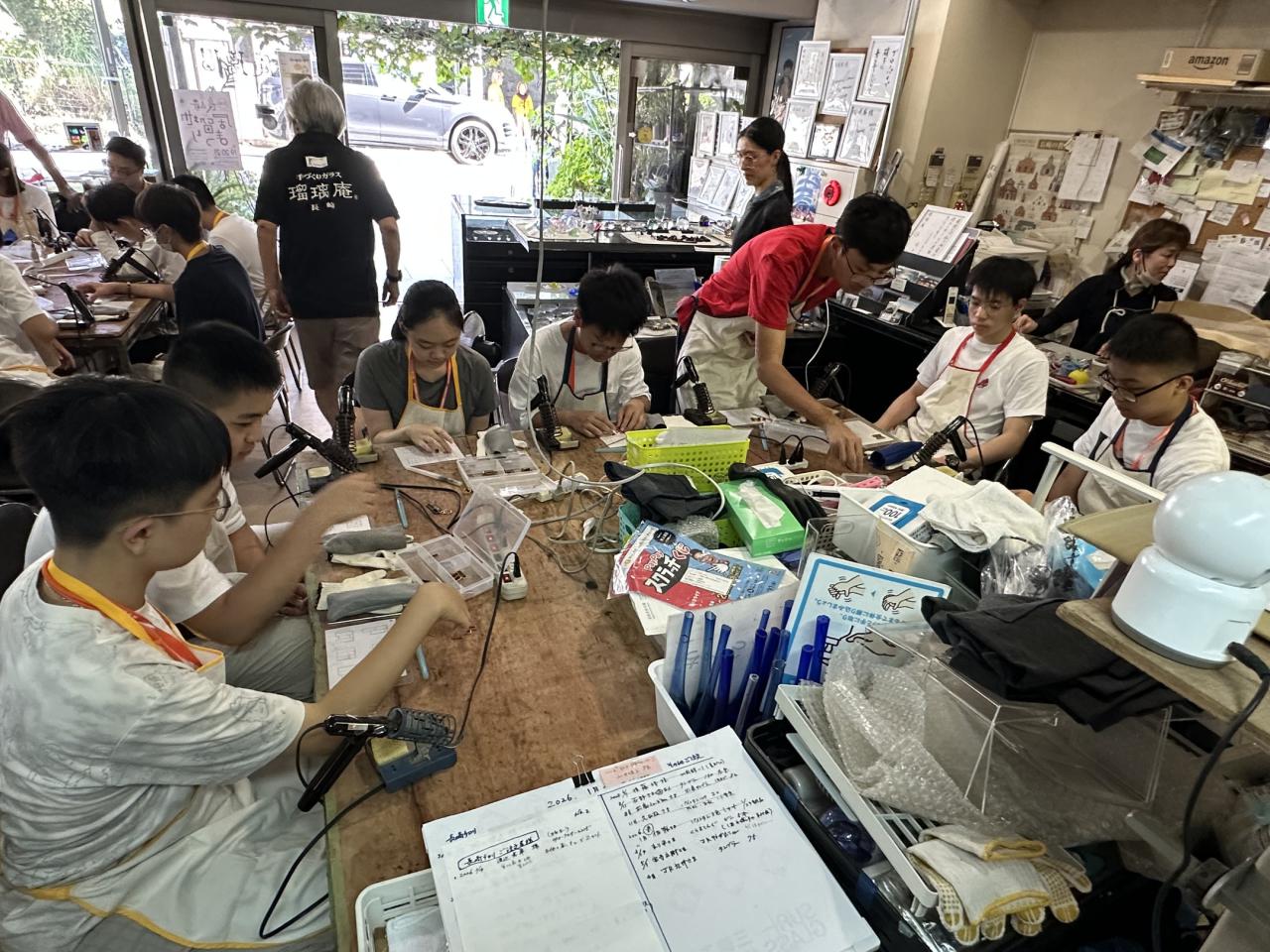
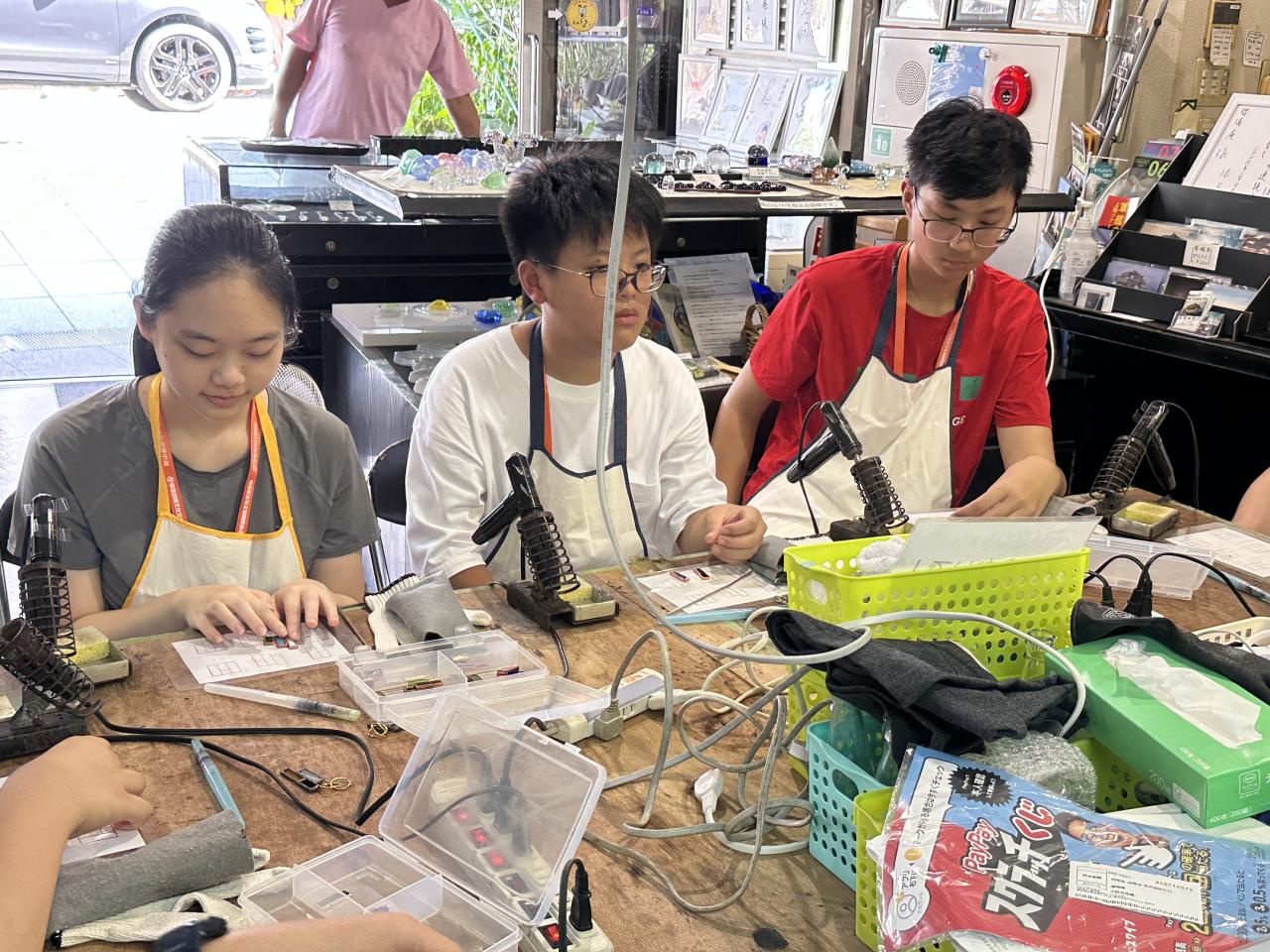
On the final evening, a fruitful sharing session allowed students to express their unique insights and reflect on their journey. Through these historical sites and cultural experiences, students learned Japanese etiquette, appreciated the shokunin spirit of perfectionism, and realized how past and present elements must complement each other in modern society. This fostered a strong awareness of heritage preservation and our shared responsibility toward global peace.
歷史的迴響,和平的願景:探索日本九州的歷史遺產與精神
公民與社會發展科(CES)與歷史科於 2026 年 7 月聯合舉辦了五日四夜的九州考察團,帶領 17 位中一至中五學生走訪九州國立博物館、出島、大浦天主堂、軍艦島、長崎原爆資料館及長崎和平公園。這次考察全方位呈現了日本在國際貿易、文化交流、快速工業化以及現代和平建設過程中的歷史角色。
參觀九州國立博物館,展現了該地區與外國長期以來的文化對話;這種交流在出島得到進一步體現——日本在鎖國時期正是透過出島維持關鍵的商業聯繫。鄰近的大浦天主堂反映了天主教在長崎的複雜歷史以及西洋建築風格的影響;而軍艦島的工業遺址則突顯了明治時代採煤技術的創新,以及明治維新所帶來的深刻變革。
在長崎原爆資料館與和平公園,親眼看見當地遺址與原貌文物——例如因強烈高溫而扭曲的鐵路路牌,讓學生直觀地體驗到核武器的毀滅性力量。透過研習這些一手史料,結合倖存者口述歷史與紀念空間,深化了他們對危機復原、國際外交及積極推動和平的認識。
最後一個晚上,一場成果豐碩的分享會讓學生抒發獨到見解,並對整個旅程進行反思。透過這些歷史遺跡與文化體驗,學生學習了日本禮儀,欣賞了追求完美的「職人精神」,並領會到在現代社會中,傳統與現代要素必須相輔相成。這促使他們建立起強烈的文化遺產保育意識,以及對維護世界和平的共同責任感。